

Blog
Ouka Leele and her impact on the Movida madrileña
Learn about Ouka Leele's artistry, her role in the Movida madrileña, and how her legacy continues to shape Madrid's cultural identity.
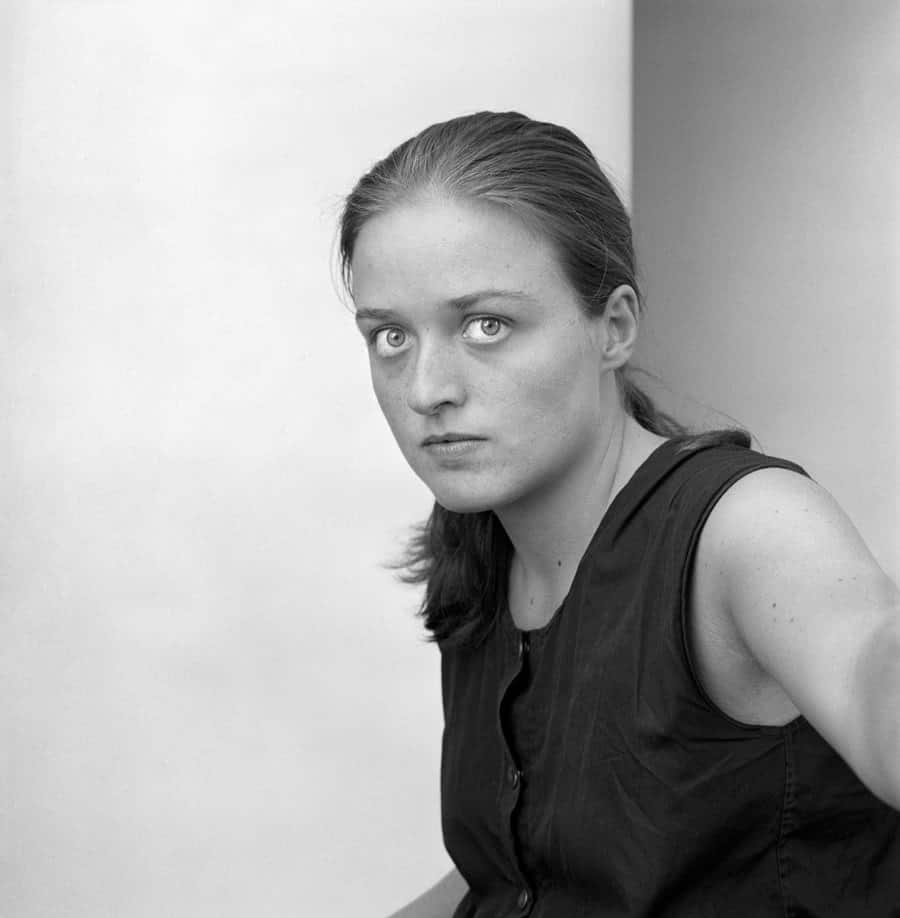
If you’ve searched for ouka leele malasaña , you’re probably not after “another bar crawl” or a superficial summary of the Movida. You want to understand who she was: the person, the artist and her perspective. Malasaña is just a nod here — because it was one of the natural backdrops for that energy — but the real focus is Ouka Leele: her story, her language and the legacy she left in how Madrid imagines itself.
Ouka Leele was the artistic name of Bárbara Allende , born in Madrid (1957) and passing away in 2022. She was a photographer, artist and poet, becoming one of the most recognisable figures associated with the Movida madrileña . The Guardian
At a time when Madrid was waking up — with freedom, contradictions, vertigo and a desire to break away from the past — she found her own language: black-and-white photography intervened with watercolour , a deliberate mix of document and fantasy. That “hybrid” wasn’t just an aesthetic trick. It was a stance: a way of saying that reality (especially the everyday) could be truer when reinterpreted.
In 2005, the Ministry of Culture awarded her the Premio Nacional de Fotografía (National Photography Prize). And yet, her importance isn’t just explained by awards: it’s explained by something harder to measure… the way she changed the visual imagination of a country.
An artistic persona: “domestic mystique” and the art of making the everyday extraordinary
There’s a phrase that defines her well (and serves as a key to everything else): Ouka Leele described herself as a creator of a kind of “domestic mystique”, because her work was often interpreted as social critique when, for her, it was a sublimation of daily life .
This is crucial: Ouka Leele didn’t need grand monuments to create powerful images. She made do with: a kitchen, a living room, an absurd object, a person with a perfect gesture and an idea that turned the scene into theatre.
In fact, she explained her process very clearly: she first conceived the image and then photographed it; the camera captured something she had already “created” and then became the base for painting.
This way of working means her work isn’t “just” photography: it’s staging, imagination, painting, memory. And that’s why, when you look at her work today, you don’t feel empty nostalgia: you feel a method .
Her visual language: why she painted watercolour over black-and-white photos
Ouka Leele arrived at a very personal conclusion: she wasn’t convinced by colour photography as it existed then, and preferred black and white as an emotional “ground”. From there, she intervened with watercolour to recover something that, according to her, was lost when colour was “automatic”: the sensation of memory, of lived experience.
Put simply: colour, in her work, doesn’t “fill in”. It means .
That’s why her watercolours can be intense, delirious, sometimes almost unreal: they don’t aim to imitate reality. They aim to imitate what reality makes you feel .
This approach (which feels so contemporary now) became her trademark: a bold fusion of the photographic and the pictorial that even international media highlighted as her signature style.
The Movida as a breeding ground: freedom, risk and a city in need of new images
To understand Ouka Leele’s legacy, you have to understand the context: the Movida was a cultural explosion in Spain during the transition and post-Franco years. Madrid was a laboratory: music, fanzines, film, photography, long nights and a ferocious hunger to experiment.
Ouka Leele lived between Barcelona, Madrid and New York , and by the early 80s she was signing her work with her artistic name. She returned to a Madrid embracing this creative reawakening — with its bright side and also its destructive side — and became one of the essential faces of that scene.
What’s interesting is that her work isn’t “party postcards”: it’s an emotional chronicle, often intimate. A Movida seen through imagination, yes, but also through the kitchen and the living room; through the specific person, not just the “tribe”.
So… where does Malasaña come in?
Malasaña doesn’t need to be “the subject” to make sense here. It’s enough to understand it as an atmosphere: a central area that was one of the places where that culture crossed paths, was displayed and mixed.
In fact, Madrid’s own tourist information links Malasaña and its surroundings with the Madrid nightlife and the cradle of the Movida in the 80s.
If you want a small nod without turning this blog into a tour, visit Plaza del Dos de Mayo and a local neighbourhood shop.
And what did Ouka Leele leave behind: a legacy that goes beyond “80s aesthetics”
There are three very specific legacies that remain alive:
Today it feels natural to mix photography with painting, collage, text, digital intervention… Ouka Leele did it when it wasn’t so obvious, and defended it as her own language.
While part of the Movida was told through the nocturnal and the public, she elevated the everyday: the domestic as theatre, as mystery.
Halloween Madrid 2025: The best plans near Gran Vía
Bar crawl in Malasaña
Blog
Sigue leyendo
Las mejores rutas a pie por el centro de Madrid
Explora las mejores rutas a pie en el centro de Madrid. Descubre Malasaña, Gran Vía, el Madrid de los Austrias y más desde Adventure Hostel Madrid.
El fenómeno 'SIX The Musical' estrena en la Gran Vía
Descubre 'SIX The Musical', el éxito internacional que llega a Madrid. Historia, música pop y empoderamiento femenino en un espectáculo único.

Madrid acoge el Gran Premio de F1 este fin de semana (11-13 sept)
El Gran Premio de Fórmula 1 llega a Madrid del 11 al 13 de septiembre. Aprende cómo llegar desde Malasaña, qué medidas de transporte habrá y qué hacer cerca.