

Blog
Keith Haring in Madrid: Urban Art and His 1985 Visit
Learn about Keith Haring's 1985 visit to Madrid and his lasting influence on Lavapiés, Tabacalera, and the city's urban art culture.
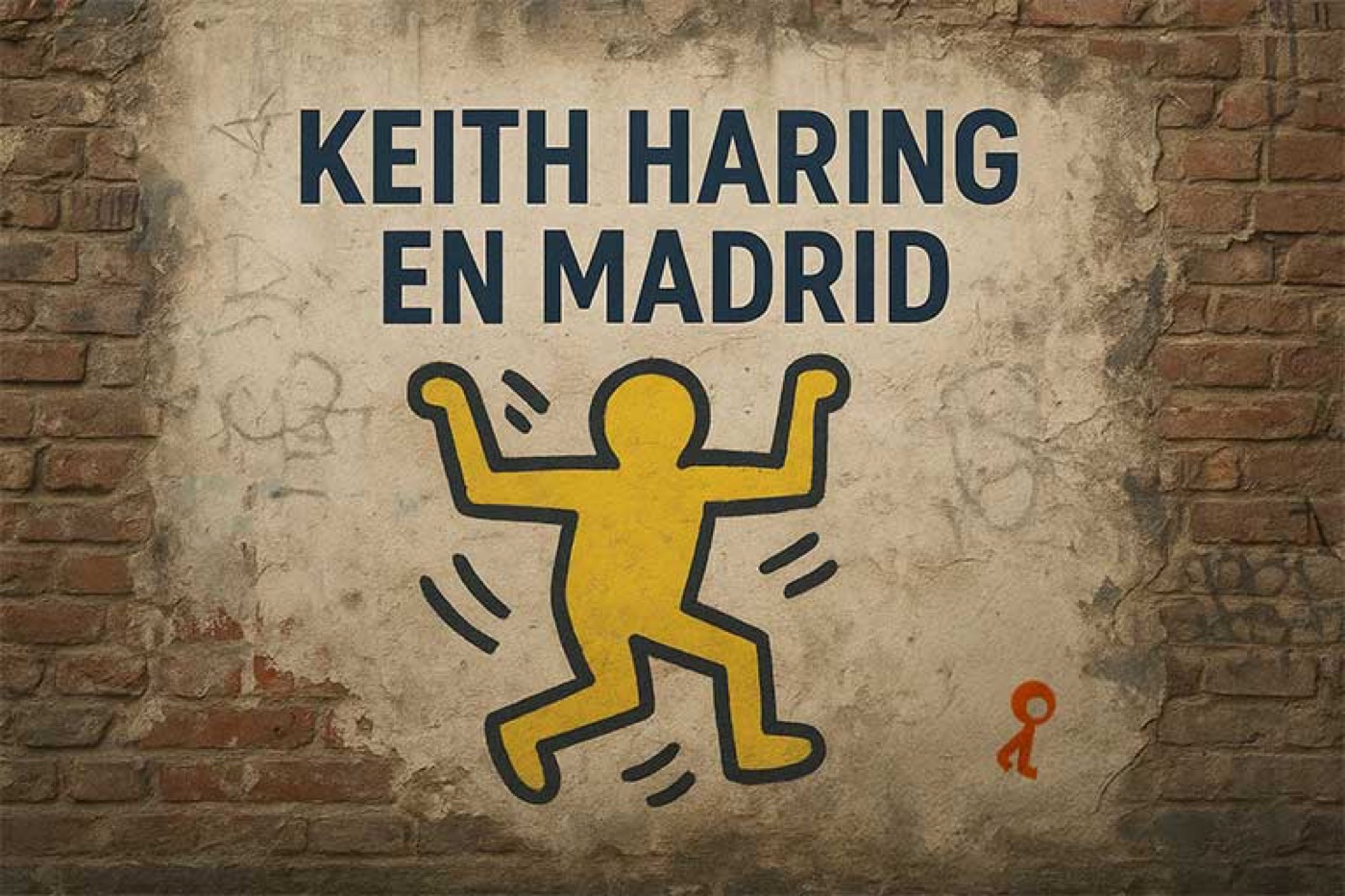
Before urban art made its way into galleries, before murals became the stars of reels and TikToks, and before cities started competing to look like open-air museums, there was Keith Haring.
The man who turned subway stations into exhibition spaces. Who blended activism, desire, critique, and humour into lines as simple as they were unforgettable. An artist who never stopped being street, even when his work ended up in museums.
And while his time in Madrid was brief, the energy of his work still resonates in the streets, on the walls, and in people's minds. Because this city, like Haring, paints from the margins. And from there, it beats strongly.
WHEN HARING WAS HERE: MADRID, 1985
Yes, Keith Haring was in Madrid. This isn’t a myth or a narrative flourish. It’s a fact. In 1985, he participated in a group exhibition organised by the Fernando Vijande gallery, then housed within the MEAC (Museo Español de Arte Contemporáneo), the precursor to today’s Museo Reina Sofía. That Madrid wasn’t just bars and Almodóvar. It was a city emerging from Franco’s dictatorship, hungry for colour, bodies, and words. La Movida madrileña was more than just an aesthetic; it was a cultural explosion that defied every boundary.
Haring, coming from New York's underground scene, queer activism, and pavement art, found a capital here that was also searching for its voice. He didn’t leave a mural. There’s no photo of him in Lavapiés. But his visit fit perfectly into the Madrid that was reinventing itself.
THE INVISIBLE LEGACY: HIS STYLE IN TODAY’S STREETS
Can an artist leave a mark without leaving a work? In Haring’s case, the answer is yes. His aesthetic—faceless human figures, moving lines, flat colours, universal messages—has seeped into Madrid’s urban art. Not as a copy, but as shared DNA.
In La Tabacalera, that hub of free art in the Embajadores neighbourhood, you can still see murals that echo his language: direct, symbolic, full of energy. 🎨 In Lavapiés, colour mixes with social commentary on many anonymous walls that could have come from his mind. 🖌️ In artists like El Rey de la Ruina—who combines simple lines with loaded phrases—or Okuda San Miguel, with his explosion of global pop-style shapes and colours. 📍 In spaces like La Causa Galería, Swinton Gallery, or La Neomudéjar, where art is still handmade and connected to the streets.
Haring isn’t in those works. But he’s in what drives them.
HARING’S REAL FOOTPRINT IN TODAY’S MADRID
Haring’s legacy doesn’t only live on walls. It’s also in cultural centres that have celebrated his work from different angles:
🎟️ In 2017, CaixaForum Madrid hosted the exhibition “Keith Haring. Art for Everyone,” a travelling show that brought original works, sketches, posters, and videos to the capital. A reminder that his work wasn’t just aesthetic but deeply political.
🎥 La Casa Encendida, Círculo de Bellas Artes, and Matadero Madrid have hosted documentaries and thematic series about his work, linking it to issues like public health, queer culture, and the right to public space.
🌱 In community spaces like Esto es una plaza or Solar Maravillas, collaborative murals between neighbours and artists keep Haring’s essence alive: accessible art, made in community, without intermediaries. Madrid doesn’t have a signed work by Haring. But it has hundreds made possible because of him.
Keith Haring died young. Far too young. In 1990, at just 31, AIDS took him. But he left behind something more powerful than a biography: a way of seeing the world.
His legacy isn’t a brand; it’s a line that doesn’t stop. That multiplies. That keeps dancing on walls around the world. And yes, also in Madrid.
Haring didn’t leave his signature in Madrid. But he left his heartbeat.
ARE YOU IN THE ADVENTURE RHYTHM?
Blog
Sigue leyendo
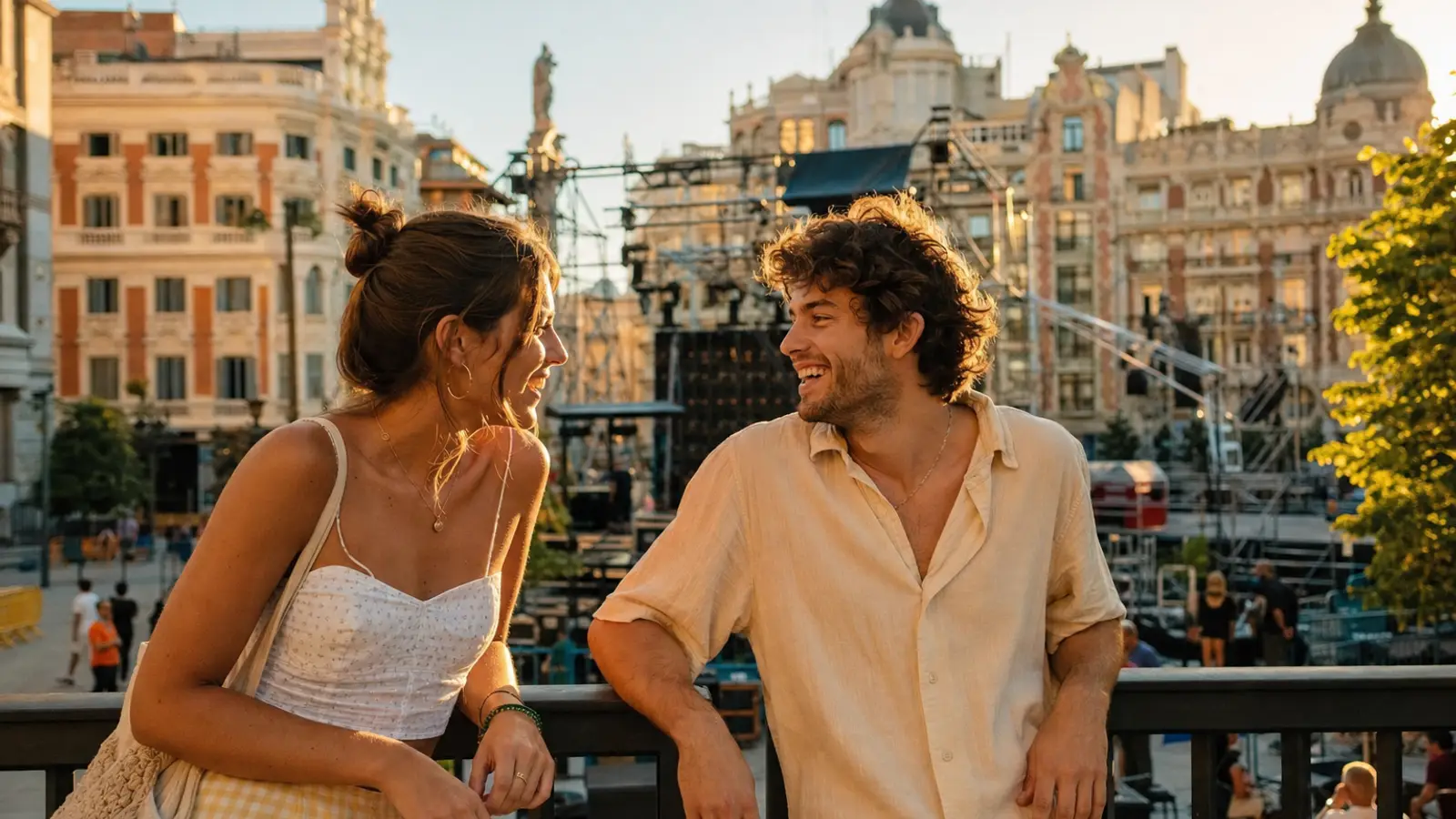
Chamberí Sound cierra hoy con un concierto sorpresa gratuito en la plaza
El festival Chamberí Sound concluye hoy con un concierto sorpresa gratuito en la Plaza de Chamberí. Descubre cómo llegar desde Malasaña y qué hacer antes.
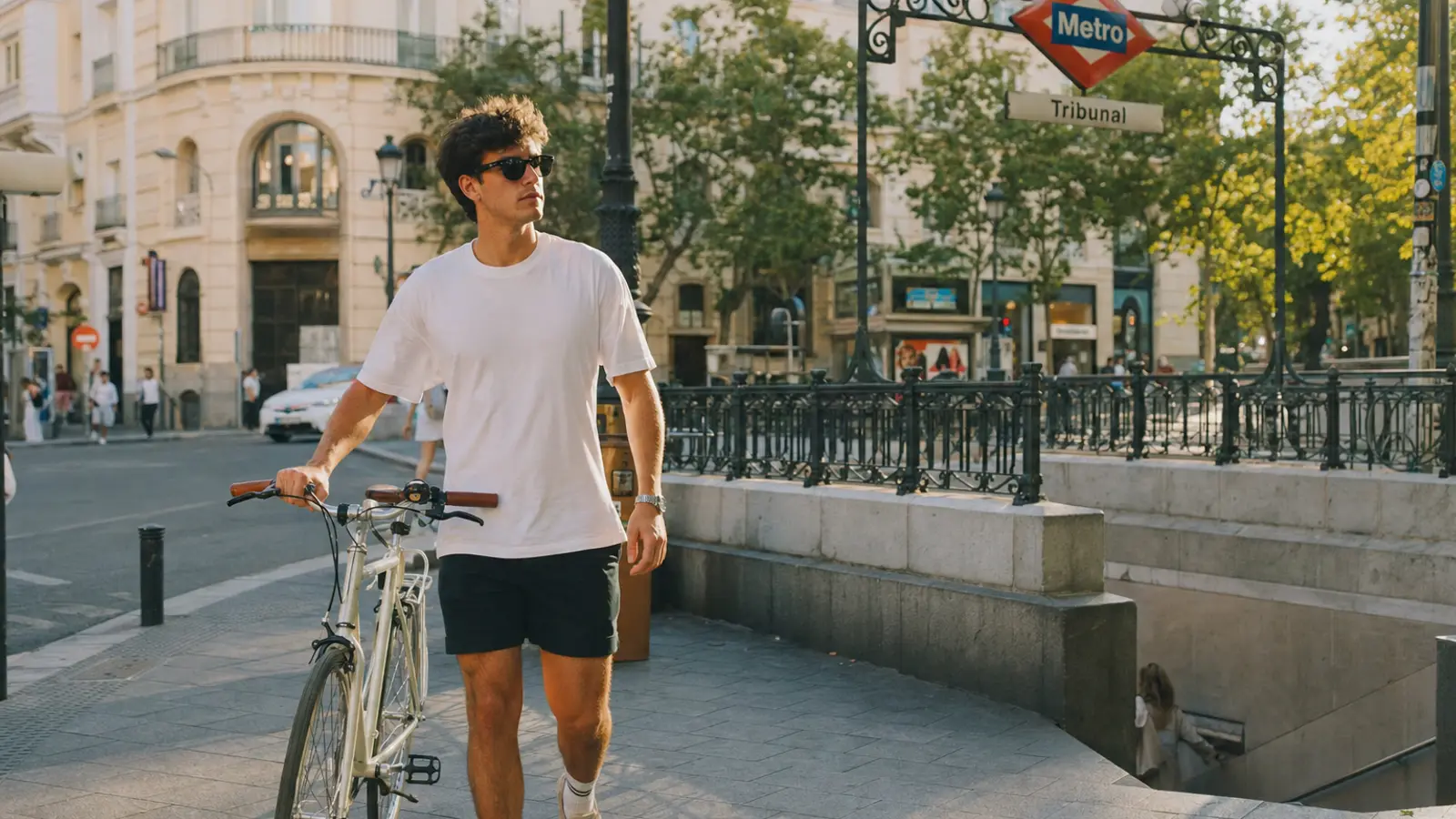
Metro gratis en Madrid con bici este fin de semana (18-20 septiembre)
Aprovecha el metro gratis con tu bici en Madrid del 18 al 20 de septiembre. Descubre horarios, consejos prácticos y planes para disfrutar esta oportunidad.
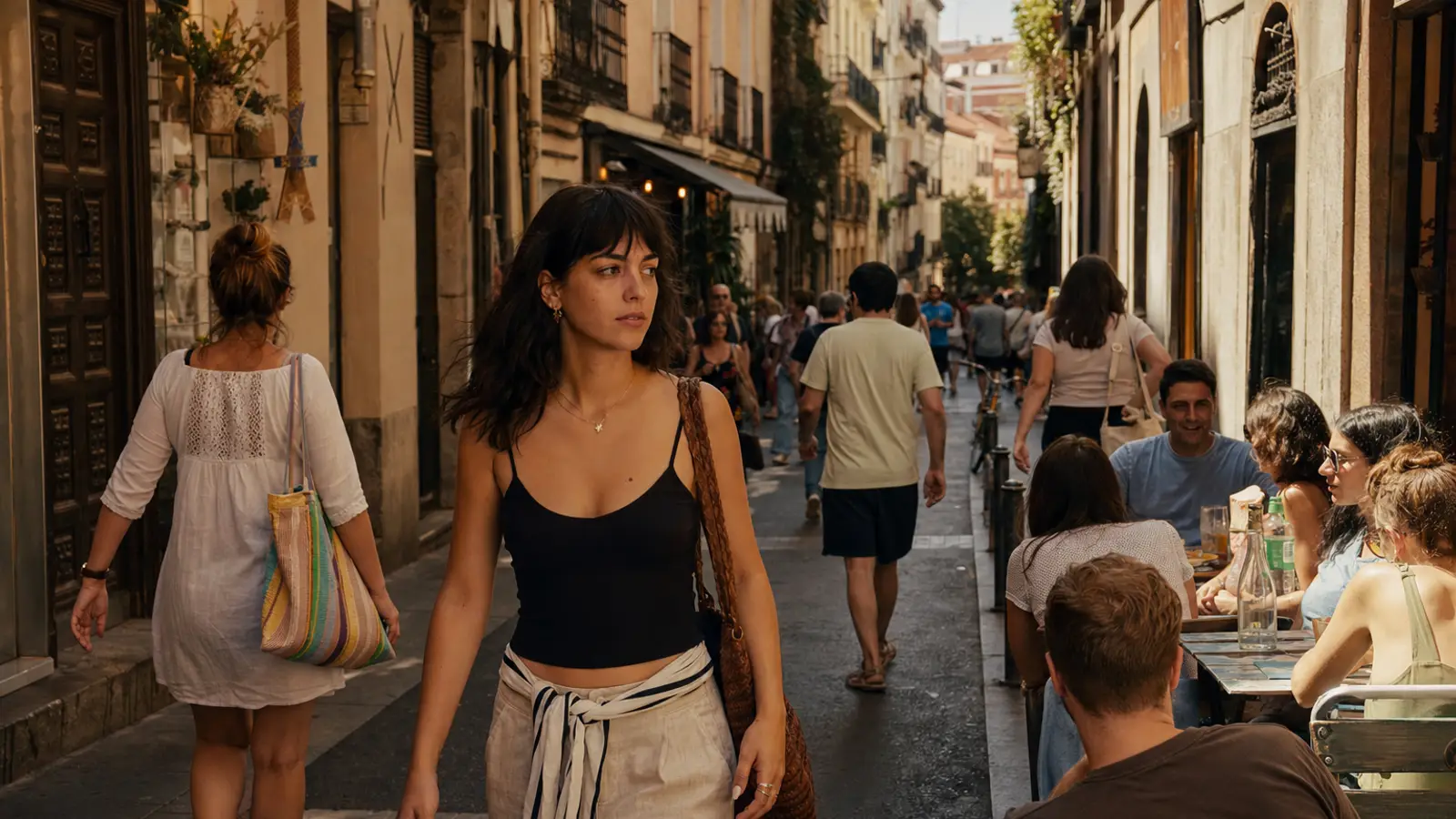
Las mejores rutas a pie por el centro de Madrid
Explora las mejores rutas a pie en el centro de Madrid. Descubre Malasaña, Gran Vía, el Madrid de los Austrias y más desde Adventure Hostel Madrid.