

Blog
How to Get Around Madrid at Night: Safe and Quick Options
Navigate Madrid at night with ease. Explore night buses, taxis, ride-hailing apps, and walking tips for safe and efficient travel.
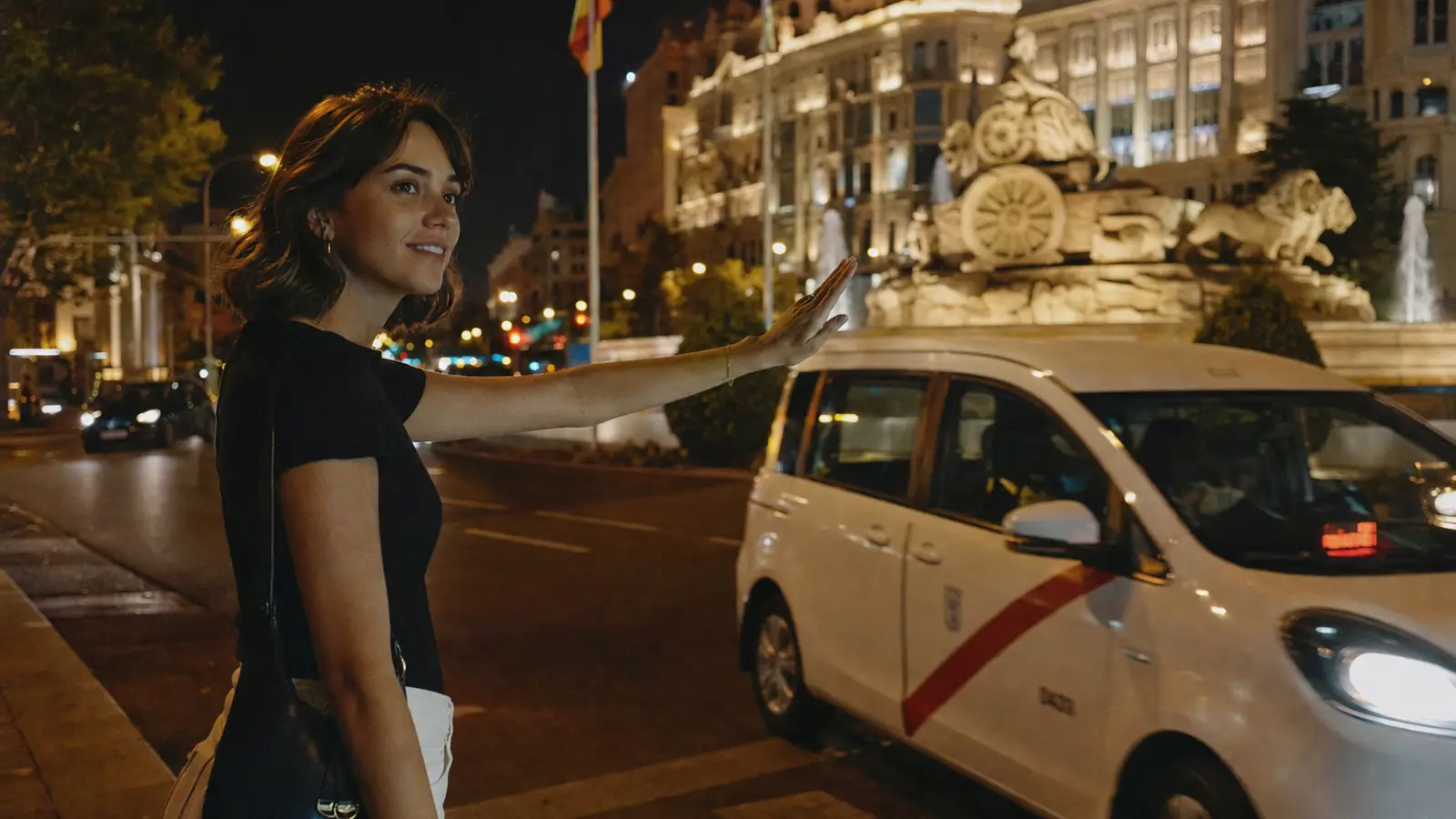
Getting around Madrid at night is easier than you might think if you know your options. Here's how to travel safely and quickly after dark.
Is there night public transport in Madrid?
Yes, there are night buses. They're called 'búhos' (owls) and they're your main public transport option after the metro shuts down. They run from roughly 11:30 PM to 5:30 AM. From the hostel, you walk 15 minutes to Plaza de Cibeles, where most lines start. A ticket is a straight €1.50, paid to the driver.
In addition to the regular night buses, there are also special lines that connect key areas of the city. For example, if you're heading to the airport, the Express Airport Bus operates 24/7 and costs €5. It departs from Atocha station and stops at Cibeles before heading to Barajas Airport. This is a convenient option if you have an early flight.
Another tip: if you're staying out late in areas like Malasaña or Chueca, check the specific búho lines that serve these neighbourhoods. Lines N16 and N18, for instance, are popular for connecting central Madrid to residential areas further out.
If you're new to Madrid, navigating the night bus system might seem daunting at first. However, the EMT Madrid website and app provide detailed maps and real-time updates, making it easier to plan your journey. Additionally, the buses are well-marked, and drivers are generally helpful if you need to confirm your stop.
For those staying in Madrid for an extended period, consider getting a multi-trip ticket or transport card. These options can save you money and time, as you won't need to carry exact change for each ride. The cards are available at metro stations and some convenience stores.
What alternatives are there to the metro at night?
First thing to know: the metro closes at 1:30 AM and reopens at 6:00 AM. Guests ask us this almost daily at reception. Your alternatives are taxis or ride-hailing apps (Uber, Cabify, Bolt). Taxis have fixed rates here. The meter starts at €4 at night, then it's €1.25 per kilometre. No surprises.
A taxi from our door on Calle del Pez to the middle of Gran Vía will run you about €5-6. It's a 3-minute ride.
If you're traveling in a group, taxis can be a cost-effective option since the fare can be split. Additionally, Madrid taxis are easy to spot with their white color and red diagonal stripe. You can hail one on the street or find them at designated taxi ranks, which are common near major squares and nightlife areas.
Ride-hailing apps like Uber, Cabify, and Bolt are also widely used. These apps often offer promotions or discounts, especially for first-time users. For example, Cabify frequently runs campaigns with reduced fares during off-peak hours. It's worth checking the app for any current deals.
For late-night journeys to the airport, ride-hailing apps can be particularly convenient. They allow you to book a car in advance, ensuring you won't be left waiting during busy hours. Additionally, some apps provide fixed rates for airport trips, so you know exactly what you'll pay before confirming your ride.
Another alternative is to use car-sharing services like Zity or Wible, which operate in Madrid. These services allow you to rent a car for short trips, and they're especially useful if you need to make multiple stops or travel to areas not well-served by public transport. However, you'll need a valid driving license and be comfortable navigating Madrid's streets.
Are ride-hailing apps safe?
They're safe. We use them ourselves. The main apps are Uber, Cabify, and Bolt, and they all work the same as anywhere else: you see the price upfront, track the car, and can share your ride. From down here on Calle del Pez, we rarely wait more than 5 minutes for a car to show up. It's fast.
One advantage of ride-hailing apps is the ability to choose the type of vehicle. For example, Cabify offers options like 'Lite' for standard cars or 'Executive' for a more premium experience. This can be useful if you're heading to a formal event or simply want a more comfortable ride.
Another tip: always double-check the license plate and driver details before getting into the car. The apps provide this information to ensure your safety. Additionally, you can share your trip details with friends or family directly through the app.
For solo travelers, ride-hailing apps offer an added layer of security. Features like GPS tracking and the ability to rate drivers help ensure a safe experience. If you're ever in doubt, you can contact the app's customer service directly through the platform.
It's also worth noting that ride-hailing apps often have multilingual support, making them accessible for tourists who may not speak Spanish. This can be particularly helpful when navigating a new city at night.
What if I prefer walking?
Walking is a solid option. The city centre is safe, and Malasaña is always busy, even late. Just use common sense like you would anywhere – stick to lit streets, know where you're going. From our front door, you can walk to Gran Vía in under 10 minutes and Puerta del Sol in 15. Easy.
If you're exploring Madrid's nightlife, walking between neighbourhoods like Malasaña, Chueca, and La Latina is very doable. These areas are packed with bars, clubs, and late-night eateries, making the stroll enjoyable. For example, a walk from Malasaña to Chueca takes about 10 minutes and offers plenty of opportunities to discover hidden gems along the way.
However, if you're venturing further out, like to the outskirts of the city, walking might not be practical. In such cases, consider combining walking with a short taxi or ride-hailing trip to save time and energy.
For those who enjoy sightseeing, walking at night offers a unique perspective of Madrid. Iconic landmarks like the Royal Palace and Plaza Mayor are beautifully lit after dark, providing excellent photo opportunities. Just remember to wear comfortable shoes, as Madrid's cobblestone streets can be tough on your feet.
If you're unsure about the safety of a particular route, ask locals or your accommodation staff for advice. They can recommend the best paths and highlight any areas to avoid.
Tips for getting around Madrid at night
Another useful tip is to download offline maps of Madrid on your phone. Apps like Google Maps or Maps.me allow you to navigate without needing an internet connection, which can be a lifesaver if your data runs out.
Finally, if you're staying out late, consider carrying a portable phone charger. This ensures you can always call a taxi or use a ride-hailing app if needed.
For women traveling alone, there are additional safety measures to consider. Some ride-hailing apps offer features like 'Women for Women,' allowing female passengers to request female drivers. Additionally, Madrid's police force has a visible presence in popular nightlife areas, adding an extra layer of security.
If you're planning to use public transport, familiarize yourself with the layout of major stations like Sol and Atocha. These hubs can be confusing at night, especially if you're in a hurry. Knowing where to find exits, ticket machines, and platforms in advance can save you time and stress.
Blog
Sigue leyendo

Atención: Metro de Madrid cierra un tramo clave de la Línea 6
Este fin de semana, 28 y 29 de octubre, la Línea 6 del Metro de Madrid estará cerrada entre Cuatro Caminos y Laguna. Consulta alternativas y opciones.
El Museo Sorolla reabre hoy en Madrid tras meses cerrado
El Museo Sorolla reabre tras obras de mejora. Descubre los nuevos espacios, horarios, precios y cómo llegar desde Malasaña. Todo lo que necesitas saber, aquí.

Ruta de conciertos gratis en Madrid: salas y parques
Descubre los mejores lugares para disfrutar de conciertos gratis en Madrid: desde salas emblemáticas en Malasaña hasta parques y eventos al aire libre.