

Blog
What Formula 1 means for a city like Madrid
F1 arrives in Madrid (2026–2035): how it changes tourism, economy, and city branding, plus the challenges of noise, mobility, and sustainability.
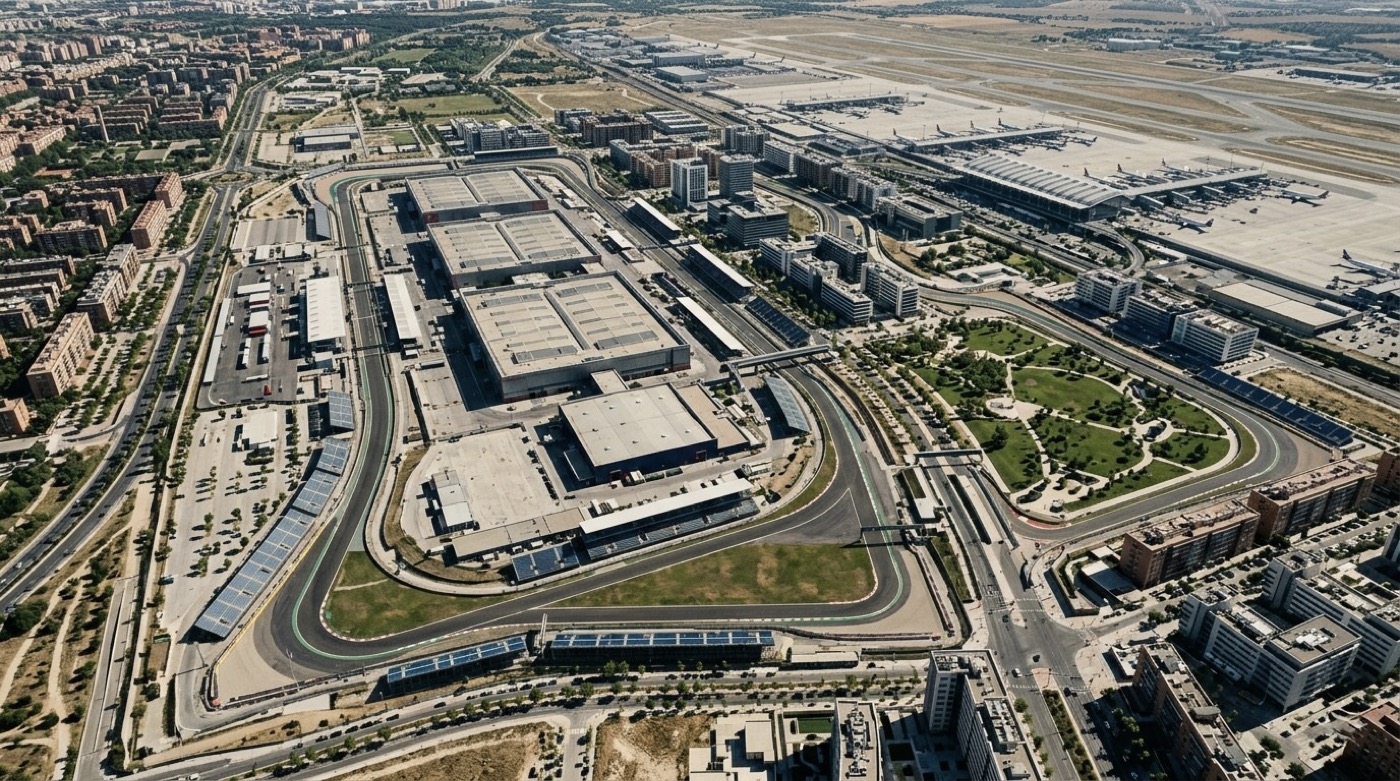
Madrid isn’t just “hosting a race.” Madrid is committing to a decade-long project that will impact city branding, tourism, urban planning, and daily life, all centred on an event that amplifies everything: the good (global visibility, tourism demand, investment) and the challenging (noise, mobility, environmental impact, debates over costs).
The basics are clear: Formula 1 has announced an agreement for the Spanish Grand Prix to be held in Madrid from 2026 to 2035 (inclusive), on a new circuit linked to IFEMA MADRID, featuring both “street” and non-urban sections. The calendar already lists the event for September 2026, from the 11th to the 13th, with the usual disclaimer: subject to FIA homologation.
F1 in Madrid: what we know (and why the “where” matters)
The arrival of F1 in Madrid isn’t just “another event”: it’s a long-term commitment (2026–2035) that requires the city to meet very high production and safety standards every season. This continuity changes the scale: it’s not about the impact of a single weekend, but the ability to sustain the project over years without straining the relationship with the city.
The location is a strategic statement. The project revolves around IFEMA and its surroundings, with a newly designed circuit combining urban and non-urban sections. For the city, this has direct implications: proximity to the airport, logistical ease for teams and media, and an “anchor” in an area already accustomed to managing large flows due to trade fairs and congresses.
It also means something else: localised impact. F1 doesn’t spread evenly across Madrid; it centres on a hub (IFEMA/Barajas/Valdebebas) and then spills over into the rest of the city via hotels, restaurants, leisure, and transport. In fact, the City Council has approved a special plan to adjust zoning and infrastructure to accommodate the circuit, affecting both the current site and the northern expansion of the M-11.
There’s also a “calendar layer” that’s worth noting: IFEMA has confirmed that the Grand Prix will also include FIA Formula 2 and FIA Formula 3 as support categories under the 2026–2035 agreement. This doesn’t just add track sessions; it adds days of activity, programming, and audience volume.
Economic and tourism impact: what Madrid gains (and how it’s distributed)
F1 is a high-performance tourism industry. The most visible part is the ticket, the grandstand, and the hospitality; the part that sustains the real impact happens outside the circuit: hotel beds, dinners, taxis, museums, shopping, technical production, suppliers, temporary jobs… and above all, pricing (because demand is concentrated).
From the promoter’s side, the narrative is ambitious: MADRING (the project’s brand) cites “Deloitte estimates” of €450 million in annual revenue, over 8,200 direct and indirect jobs, and more than 85,000 tourists each year. These figures should be scrutinised (they’re projections and come from an interested party), but they set the goal: for the Grand Prix to be more than just a sport, but a driver of visitor economy and international positioning.
The key for a city like Madrid isn’t whether there will be impact (there will be), but how it’s distributed. In events of this scale, the benefits usually concentrate where there’s already a strong tourism sector: central hotels and well-connected areas, restaurants capable of handling peaks, and nightlife/daytime leisure prepared for an international audience. At the same time, the everyday costs (mobility, noise, service pressure) tend to fall closer to the event area and affect the city’s general functioning during those days.
Moreover, F1 doesn’t just compete with other sporting events: it competes with the city itself during a high season for congresses and city breaks. Madrid, already strong in fairs and meetings, has a clear opportunity: to turn the Grand Prix into a week-long urban experience (culture, gastronomy, neighbourhoods), not just a visit to the circuit. If the city can get visitors to stay one more night for reasons beyond the race, the impact multiplies and becomes less dependent on ticket sales.
City branding, culture, and “spectacle architecture”: when the circuit tells Madrid’s story too
F1 is global entertainment, and that makes the host city a stage. It’s not just about competing in the race: it’s about competing for the image that travels in clips, photos, and broadcasts for years. This is where Madrid is trying to build its “signature.”
The most obvious example is La Monumental, a banked curve that the project itself presents as an iconic feature: 550 metres, semicircular shape, and an extreme 24% banking, with an asphalt wall reaching about 10 metres high at its peak. The intention is clear: to create a recognisable spot, a frame that any fan identifies as “this is Madrid” without needing a caption. At the same time, it introduces a technical challenge that carries weight in the sporting narrative (not just aesthetics).
This ties into something cultural: Madrid isn’t “dressing up” for the event; it’s trying to translate itself into F1 language. A new circuit needs icons to compete with historic venues, and Madrid seeks those icons in monumentality, the idea of an urban amphitheatre, and visual spectacle. It’s a branding strategy as important as any tourism campaign: if the circuit has personality, the city stays in the memory even of those who don’t visit.
And it’s no coincidence that the 2026 calendar highlights it as one of the year’s notable additions. Formula 1 has already published the “Spain, Madrid” stop for September, with the FIA homologation asterisk. This puts Madrid on a stage where it’s not enough to just “be there”: it has to be there well, function well, and look good.
The real challenges: coexistence, noise, mobility, and sustainability (the decade’s test)
Here’s the part that will determine whether the project becomes a source of pride or a permanent conflict. In a city like Madrid, the conversation doesn’t stop at “I like/don’t like F1”; it quickly turns into concrete questions: how much noise? How many days? What happens to the trees? How is traffic managed? What’s the impact on health and rest?
The official environmental documentation from the Community of Madrid (SEA 67/24 report) frames the project as the construction of a circuit for the annual Grand Prix “at least between 2026 and 2035.” And, crucially for understanding the real impact, it specifies that the acoustic study must consider not just the noise from the cars (F1 and F2), but also other event-related sources: crowds, public address systems, helicopter flyovers, among others.
This isn’t bureaucracy: it’s the heart of the debate. Noise in F1 isn’t a “detail”; it’s a feature of the product. And in a dense city, the difference between a one-off event and an annual event over a decade is enormous. That’s why Madrid’s success will depend not just on the circuit’s design, but on the quality of mitigation measures, the management of assembly/disassembly schedules, signage, coordination with emergency services, cleaning, and transparent communication with residents and users in the area.
At an urban planning and governance level, the City Council has already taken steps with the special plan to enable the Grand Prix and reorganise networks and infrastructure in the IFEMA area and its surroundings. In practice, this approval opens a phase where the decisive factor will be the “how”: what environmental commitments are made concrete, how compliance is measured, and what corrective mechanisms are applied if unforeseen impacts arise.
Madrid has experience hosting major events, yes. But F1 is different for one reason: it’s recurring, it has a “ripple effect” on prices and mobility, and it leaves an immediate reputational mark. The city can turn it into a positive legacy if it achieves a simple equation: that the tourism and branding benefits aren’t perceived as a daily burden by those who live and work nearby, and that environmental impacts are addressed with verifiable rigour.
A global weekend, a city at full capacity: if you’re coming for F1, your base needs to be efficient and peaceful. At Adventure Hostel Madrid, you’re in the centre for easy movement… and you can return to truly rest.
Blog
Sigue leyendo
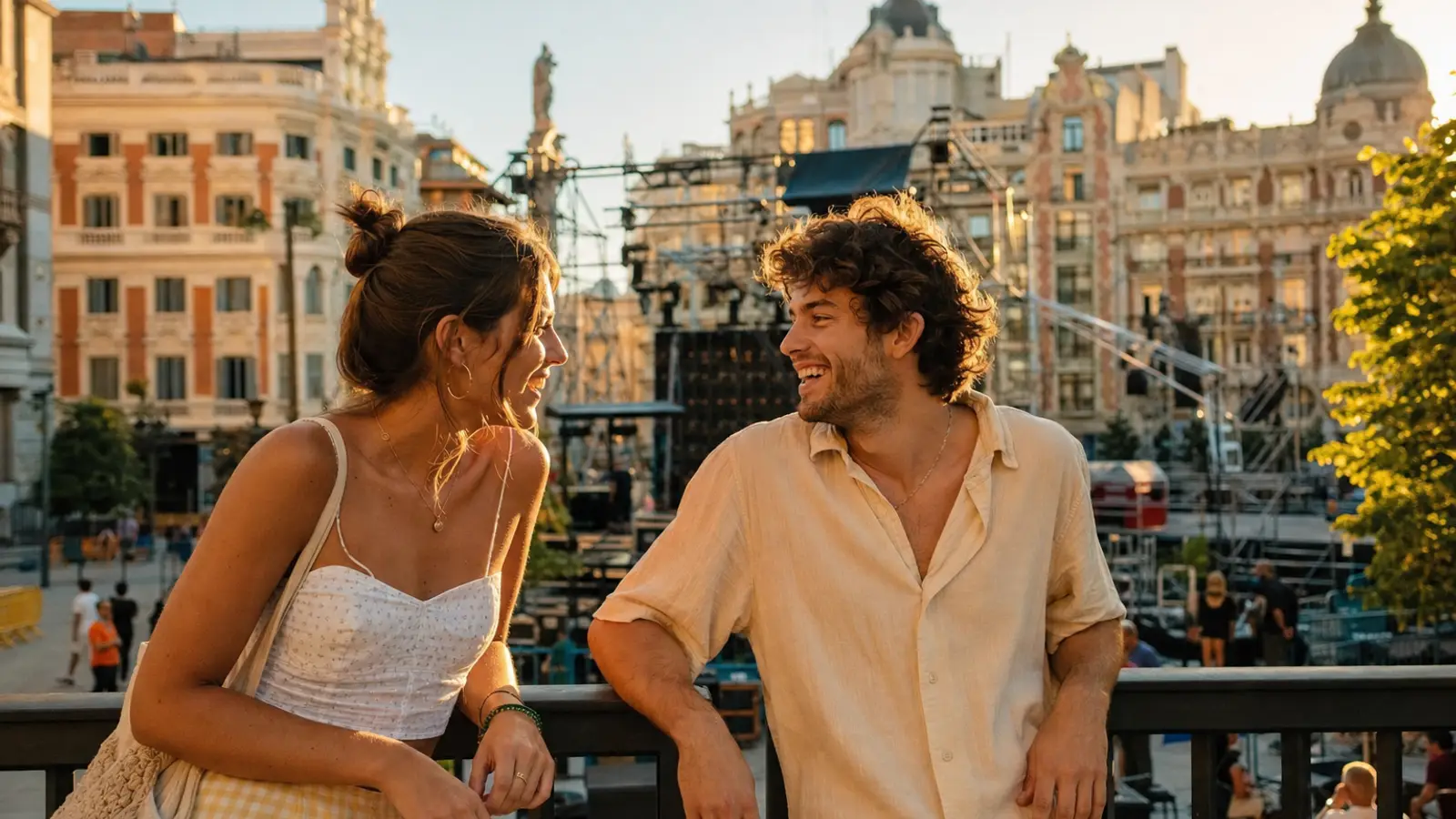
Chamberí Sound cierra hoy con un concierto sorpresa gratuito en la plaza
El festival Chamberí Sound concluye hoy con un concierto sorpresa gratuito en la Plaza de Chamberí. Descubre cómo llegar desde Malasaña y qué hacer antes.
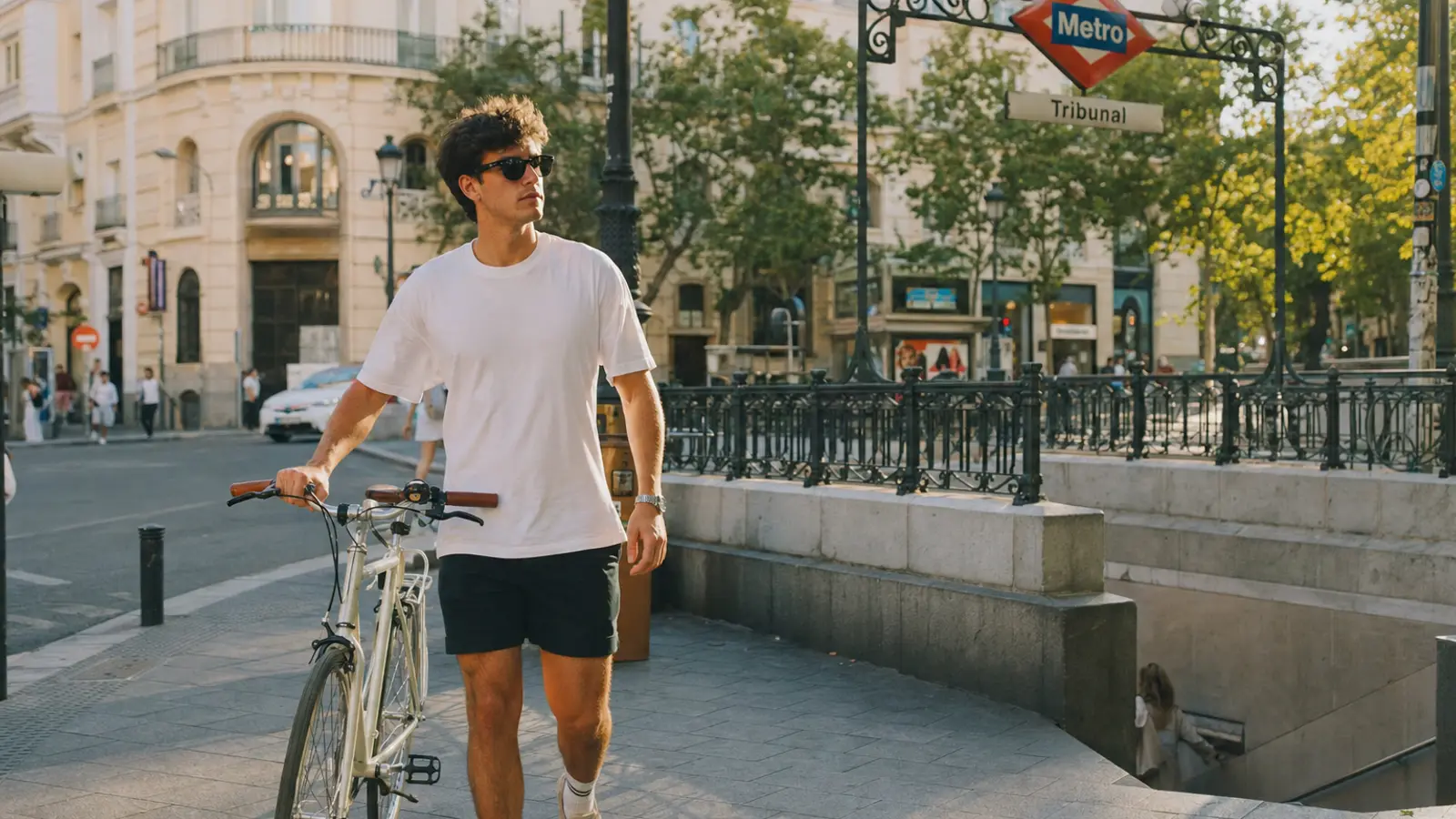
Metro gratis en Madrid con bici este fin de semana (18-20 septiembre)
Aprovecha el metro gratis con tu bici en Madrid del 18 al 20 de septiembre. Descubre horarios, consejos prácticos y planes para disfrutar esta oportunidad.
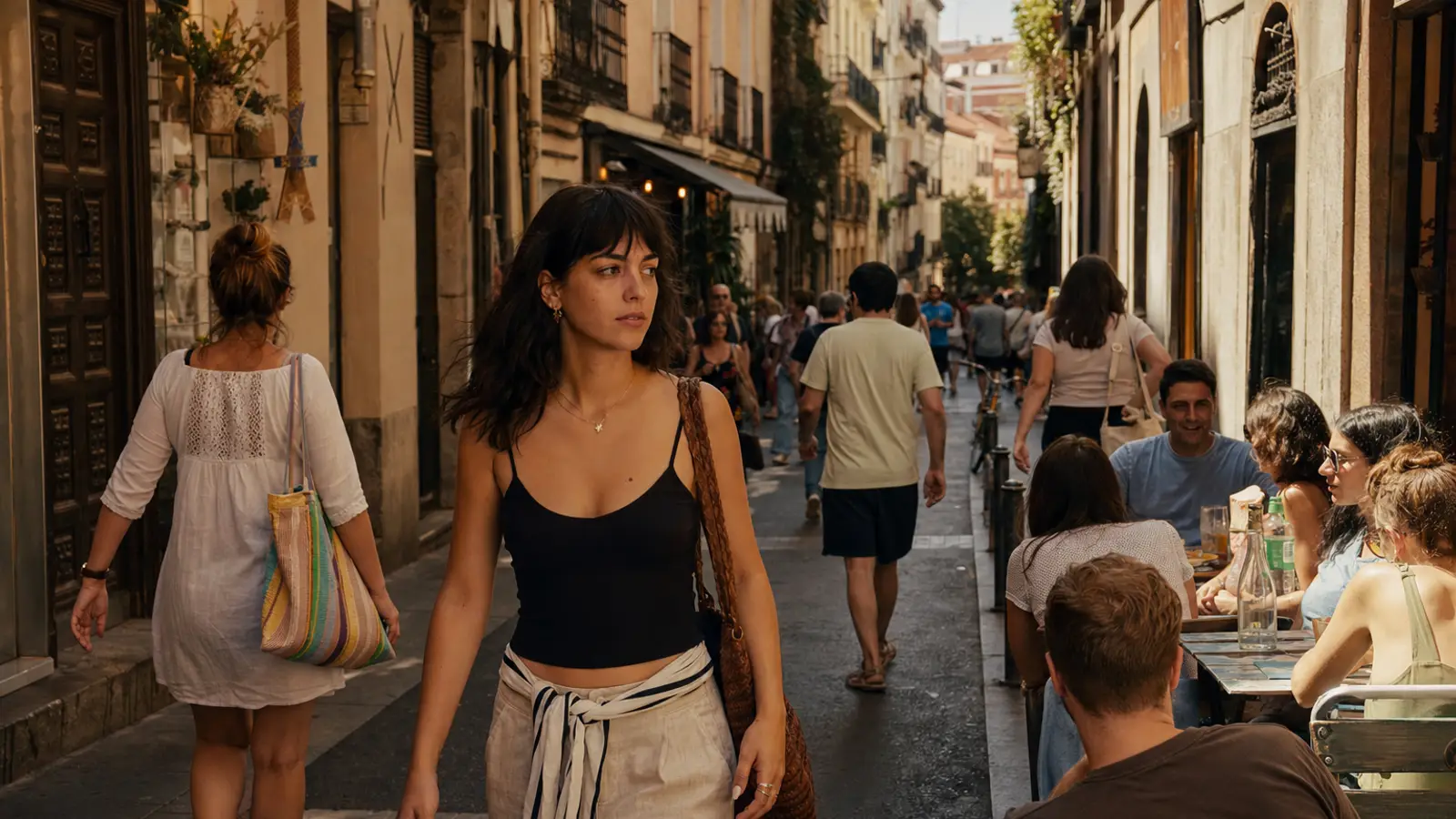
Las mejores rutas a pie por el centro de Madrid
Explora las mejores rutas a pie en el centro de Madrid. Descubre Malasaña, Gran Vía, el Madrid de los Austrias y más desde Adventure Hostel Madrid.